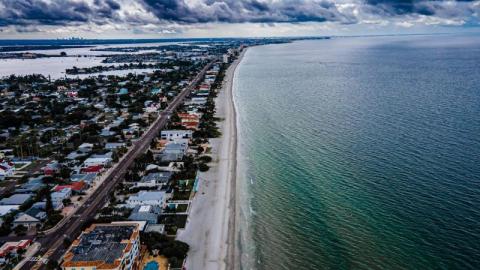
North Redington Beach is small enough that you can reach a lot of it on foot.
A walk here is not about plaques on every corner or a long list of formal historic sites. It is more subtle than that. The story shows up in the way Gulf Boulevard runs through town, in the older beach-town scale, in the residential streets that turn toward Boca Ciega Bay, and in the way the three Redington communities still feel distinct from one another.
For visitors, that makes the area worth slowing down for. Walk a few blocks, look at the mix of buildings, notice where the Gulf side and bay side differ, and you start to see North Redington Beach as more than a quiet place on the map.
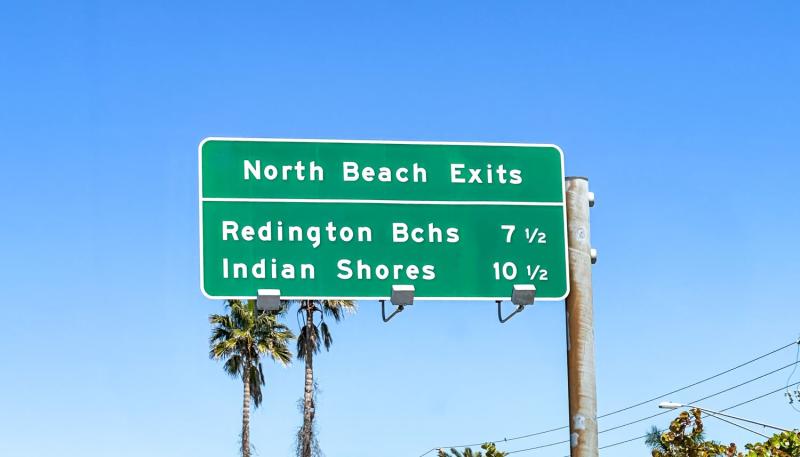
Gulf Boulevard is the spine of the Redington coast.
It links North Redington Beach, Redington Beach, and Redington Shores with the other barrier-island towns along the Gulf. On a map, it looks like a road. On the ground, it feels more like a long-running beach-town timeline.
Restaurants, condos, small businesses, crosswalks, beach access points, palms, signs, and side streets all line up along it. Some stretches feel busier. Some feel residential. Some still have that older Gulf Coast rhythm where the road, the sand, and the bay are all close together.
If you want to understand North Redington Beach quickly, start here. Walk slowly, cross carefully, and pay attention to what changes from block to block.
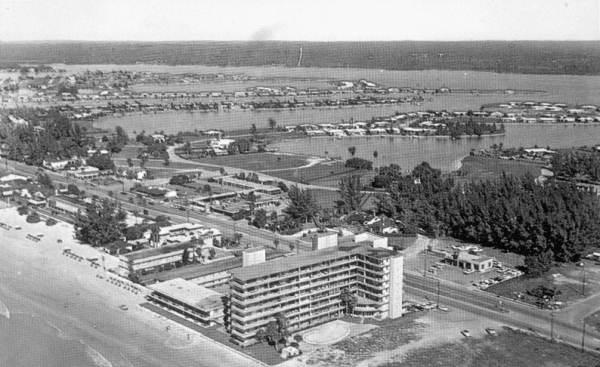
The Redington name comes from Charles Redington, whose early vision helped shape this part of the coast.
According to the town’s own North Redington Beach history, the Redington beach area grew out of early Gulf-front development tied to the Tides Hotel and Beach Club, which opened in 1936. The town history also notes that the larger Redington strip eventually developed into three separate communities: Redington Beach, North Redington Beach, and Redington Shores.
That helps explain why the area can feel connected and separate at the same time. The names sound similar, the geography is tight, and Gulf Boulevard ties everything together. Still, each town has its own identity, local government, layout, and pace.
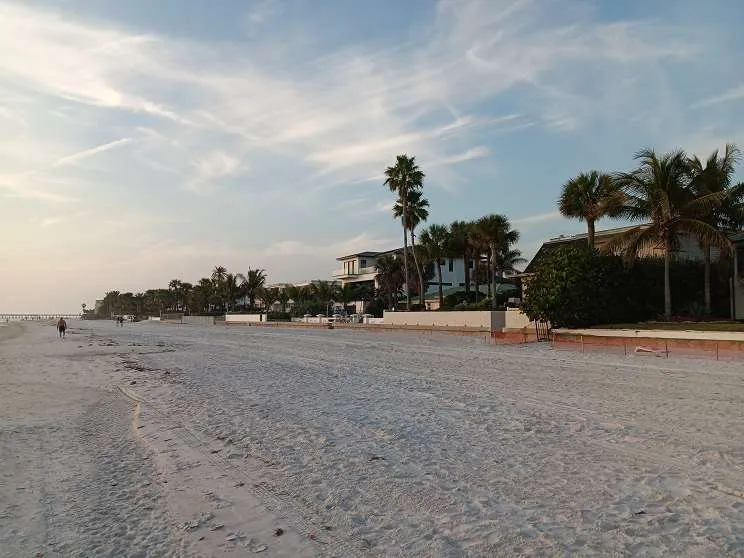
North Redington Beach was incorporated in 1953, and its boundaries settled into the compact town form visitors see today.
That compactness is part of the charm. The town does not sprawl. It sits between the Gulf of Mexico and Boca Ciega Bay, with Gulf Boulevard carrying most of the visible activity and the residential fingers stretching toward calmer water.
On a walk, that means the scenery changes quickly. One moment you are facing beach traffic and Gulf-side businesses. A short turn later, the sound softens and the bay-side neighborhood pattern becomes easier to notice.
The town’s history page describes development along Gulf Boulevard as the commercial and multi-family spine, with single-family residential areas along the bay-side fingers. Once you notice that pattern, the place makes more sense.
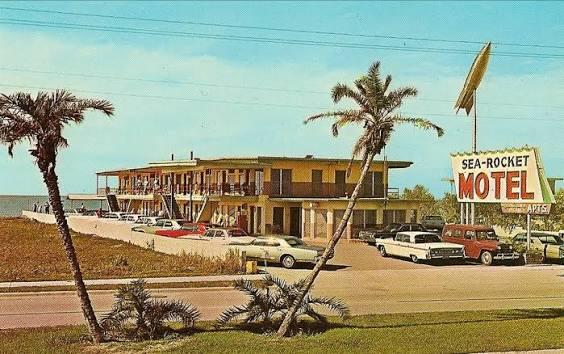
A lot of the area’s character comes from the postwar beach-building years.
The official town history points to the 1940s and 1950s as important development decades for the Redington stretch. That is useful context when you look at the area today. North Redington Beach is modern in plenty of ways, but it still carries the shape of a mid-century Gulf community: compact, linear, close to the road, close to the sand, and built around the idea of beach living as a simple daily rhythm.
You do not need to be a historian to enjoy that. Just look for scale. Older beach towns tend to feel human-sized. Crosswalks matter. Side streets matter. A short walk tells you more than a quick drive.
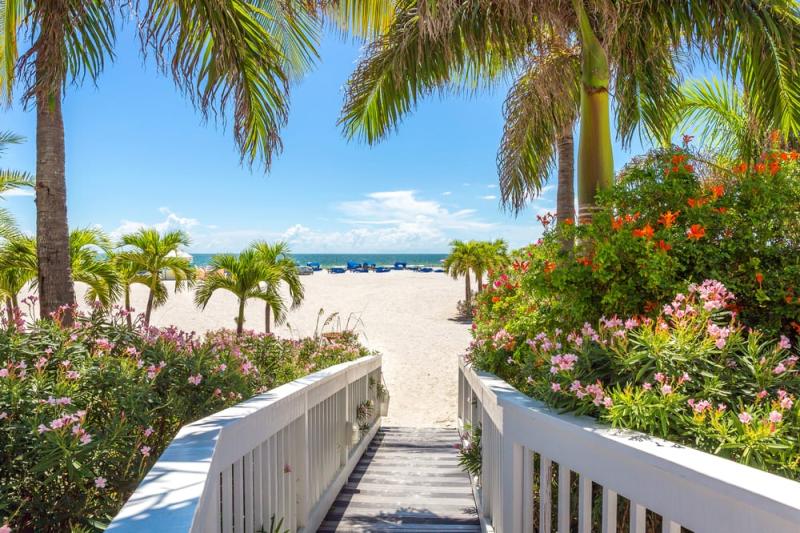
Some of the best clues are tucked into town records and small civic spaces.
The North Redington Beach history timeline mentions several familiar local pieces: Town Hall Park, Dolphin Park, Addie Graham Park, Gulf Front Park, Radcliffe Park, Baldanza Park, and Ackerman Point. Those names tell a quiet story about how the town kept adding shared spaces as it grew.
For a visitor, the takeaway is simple. This is a small municipality with its own civic memory. The parks, crosswalks, medians, and town facilities are not random extras. They are part of how a narrow beach town makes itself livable.
If you want a longer local context before or after your walk, the Town of North Redington Beach site is the right starting point.
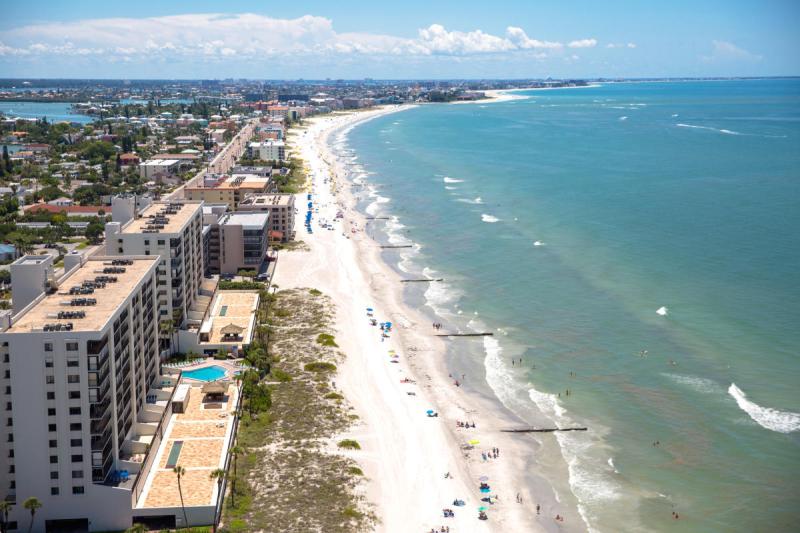
A history walk gets more interesting when you widen the frame.
To the south, Redington Beach has a residential waterfront feel and sits between North Redington Beach and Madeira Beach. The town describes itself as a barrier-island community bordered by the Gulf of Mexico and the Intracoastal Waterway.
To the north, Redington Shores has its own beachfront identity, with parks, fishing, boating, and a quiet vacation-town feel. Its town site notes that it was incorporated in 1955, just two years after North Redington Beach.
That sequence matters. The three communities are close enough to blur together for first-time visitors, yet their separate incorporation dates and town identities still shape the local feeling.
For a broader outing that connects Redington with nearby coastal stops, the guide to Redington, Madeira, and John’s Pass in One Easy Day is a useful companion.
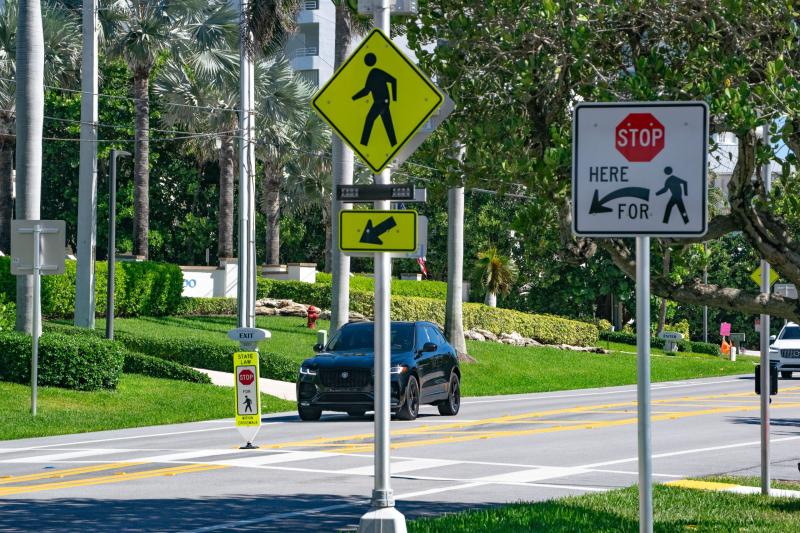
This is not a route that needs a strict map.
Start near your beach access point, walk a comfortable distance along the Gulf side, then turn inland where it is safe and appropriate. Look toward the bay-side streets. Come back to Gulf Boulevard. Stop for coffee, lunch, or a cold drink when you need a break.
A few practical notes help:
- Use marked crosswalks.
- Watch traffic carefully on Gulf Boulevard.
- Walk early or late when the heat is lower.
- Bring water, especially in summer.
- Wear sandals or shoes that can handle both sidewalk and sand.
- Respect residential streets and private property.
The goal is to observe the town, not to turn the walk into a checklist.
A history walk fits well with a casual meal.
If you want food ideas nearby, the guide to A Casual Food Day Around North Redington Beach gives the practical side of planning breakfast, lunch, dinner, coffee, and dessert around the area.
You can also use the walk as the quiet part of a bigger day. Add Madeira Beach, John’s Pass, or Redington Shores if you want more movement. Or keep it smaller and spend the rest of the afternoon by the water.
For nearby exploring ideas beyond the immediate blocks, the guide to Short Drives from North Redington Beach covers easy Gulf Coast outings without turning the whole day into a road trip.
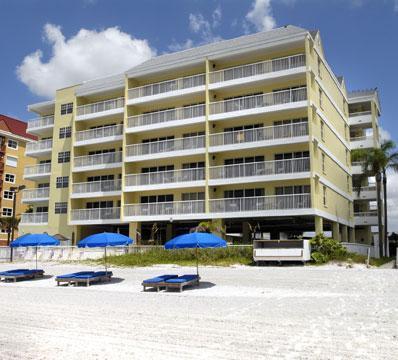
Eventually, the walk should end at the Gulf.
That is still the center of the whole story. The road, the hotels, the houses, the parks, the town lines, and the beach access points all point back to the same place: the water.
For travelers who want a beachfront base for noticing this quieter Redington stretch, The Redington Ambassador sits in North Redington Beach, with stay-specific questions available by phone at (727) 391-9646 or through the contact page.
A history walk here is not about rushing from landmark to landmark. It is about seeing the bones of a small Gulf town: one main road, a narrow barrier island, a few neighboring communities, and decades of beach life layered into a short stretch of coast.